

El Jadida, Azemmour and Oualidia: a weekend on the Atlantic coast
In two days from Casablanca by motorway: El Jadida's Portuguese City (its cistern is closed for works), Azemmour's ramparts on the Oum Er-Rbia and Oualidia's oyster lagoon, swimming only on supervised beaches.

In this guide
A weekend on the Atlantic coast south of Casablanca gives you three very different places within a short drive of each other: El Jadida's Portuguese City, a sixteenth-century sea fortress listed by UNESCO; Azemmour, a quiet walled medina above the Oum Er-Rbia river; and Oualidia, a lagoon village known across Morocco for its oysters. A motorway runs the whole way, so it is an easy road trip, and El Jadida can also be reached by train. Two things to know before you go: the famous Portuguese Cistern in El Jadida has been closed for restoration since 2021, with no reopening date announced when we checked in October 2026, and the Atlantic here has strong currents, so swim only on busy, supervised beaches. Here is the plan, then the practical details:
- Day 1: leave Casablanca in the morning, stop in Azemmour to walk the ramparts above the river, then spend the afternoon and evening inside El Jadida's Portuguese City, ending on the walls at sunset. Sleep in El Jadida.
- Day 2: a morning on the beach in El Jadida or at Sidi Bouzid, then south to Oualidia for the lagoon, a boat ride and an oyster lunch. Drive back to Casablanca on the motorway in daylight.
Getting there: car or train
By car
El Jadida is about 96 km south of Casablanca on the motorway to Safi, which has exits for Azemmour (just before El Jadida), El Jadida and Loualidia, so the whole weekend is on one road. Tolls for a car (class 1) on the official grid of Autoroutes du Maroc in 2026:
| Leg | Motorway exits | Toll, car |
|---|---|---|
| Casablanca to Azemmour | Casablanca – Azemmour | 28 MAD |
| Casablanca to El Jadida | Casablanca – El Jadida Est / El Jadida Sud | 31 / 35 MAD |
| El Jadida to Oualidia | El Jadida Sud – Loualidia | 30 MAD |
| Oualidia to Casablanca | Loualidia – Casablanca | 65 MAD |
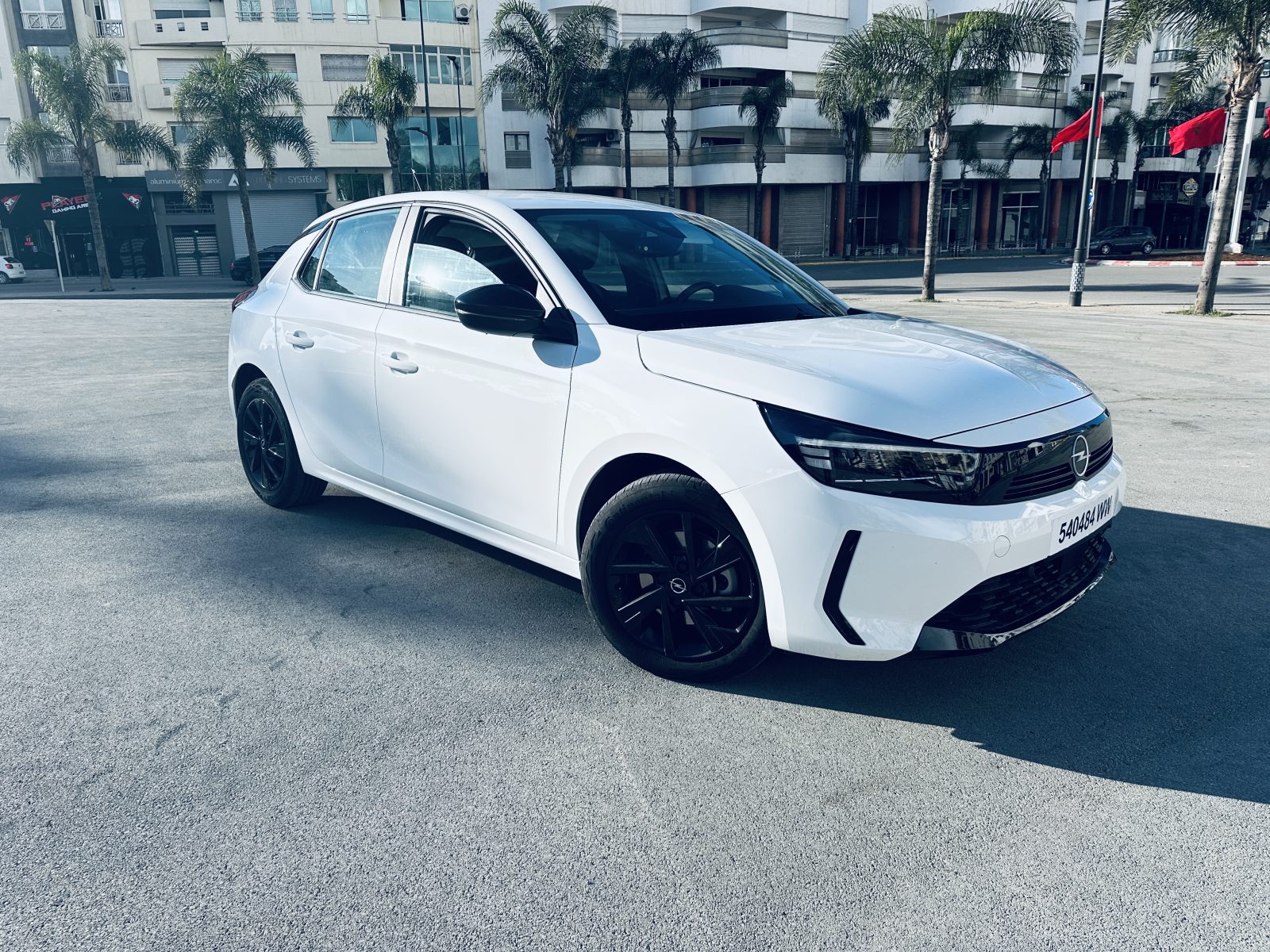
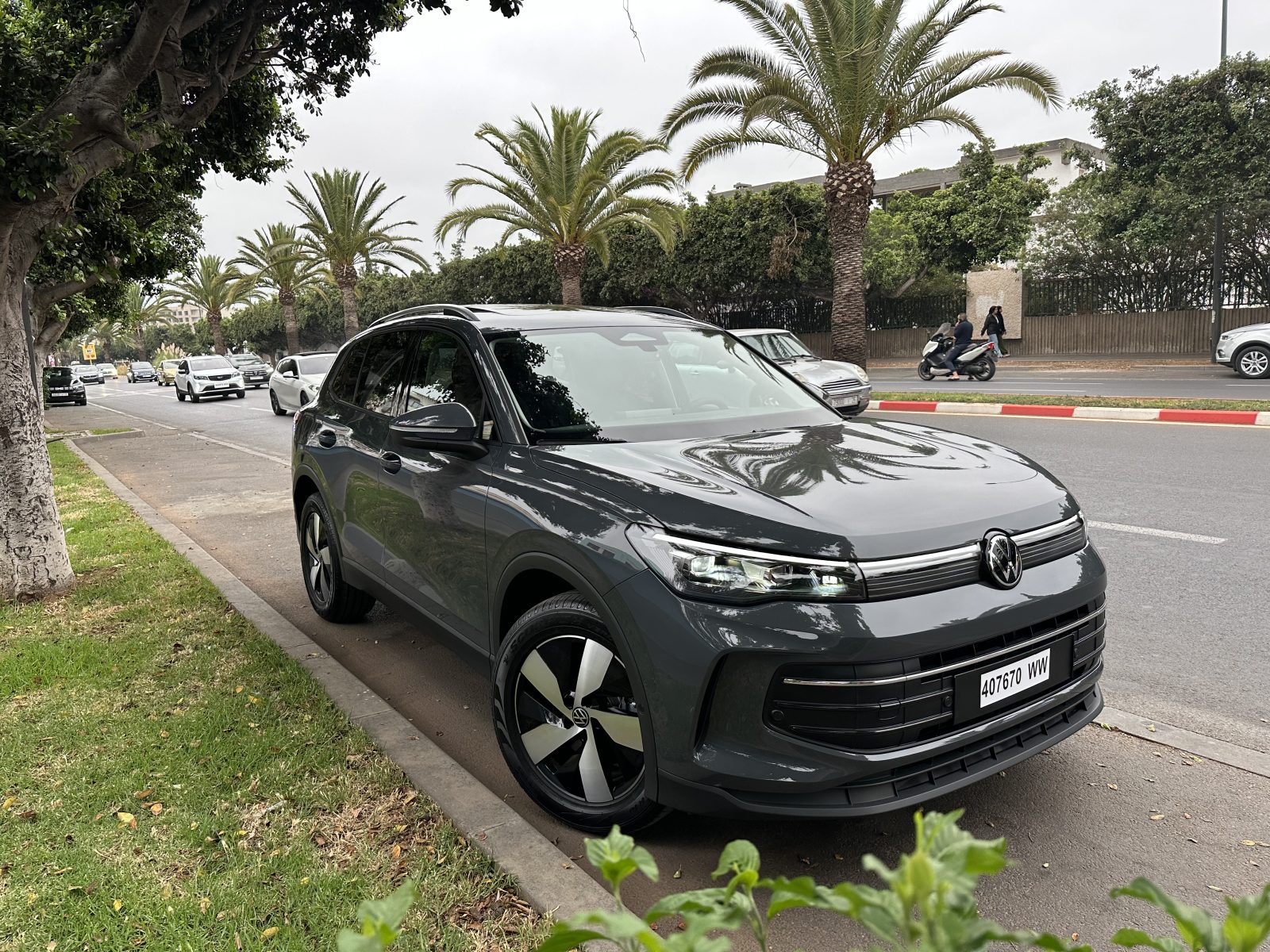
No car? Compare cars in Casablanca and collect it on Saturday morning. Canada's travel advice recommends avoiding driving at night, keeping an accident report form (constat amiable) in the car, and carrying your identity and vehicle papers for the frequent police checkpoints; it singles out heavy traffic on the Rabat–Casablanca motorway and some national roads. GOV.UK warns that accidents are common, that night driving is dangerous, that lorries may overtake where there is no hard shoulder, and that drink-driving is a serious offence.
By train
Trains run from Casablanca to El Jadida roughly every two hours and take about an hour and a half, according to travel listings; check the current timetable and fare in the ONCF app or at the station. El Jadida station is about 3 km from the centre, so plan on a petit taxi (about 15 MAD in 2018, likely a little more now). The train works well for El Jadida, but for Azemmour on the way and Oualidia on day 2, a car makes the weekend far simpler.
Tip: Leave Oualidia early enough on Sunday to be back in Casablanca before dark. The motorway is the easy part; the city traffic at the end is not.
Day 1 morning: Azemmour on the Oum Er-Rbia
Azemmour is a small, calm town on the Oum Er-Rbia river, and the tourism council of the Casablanca-Settat region presents its old medina as a trip back in time along the water. Its origins as a fortified town are tied to the Portuguese presence on this coast in the sixteenth century. The best thing to do is walk: follow the ramparts for the views over the river, then lose yourself in the lanes.

The mellah, the old Jewish quarter, is the part to look for. Like the mellahs of Fes and Marrakech, it keeps narrow streets and traditional houses that tell of a long, mixed history, and there are craft workshops to visit. Ask before photographing people or their doors.
Allow two to three hours, then drive on to El Jadida for lunch.
Day 1 afternoon: El Jadida's Portuguese City (Mazagan)
The walled old town of El Jadida was the Portuguese stronghold of Mazagan. Portuguese sailors landed here in 1502, built a citadel in 1514 and turned it into the larger star-shaped fortress you see today from 1541. Portugal gave up the town in 1769; the Moroccans first called it al-Mahdouma, "the ruined", and it was resettled and renamed al-Jadida, "the new", in the nineteenth century. The Portuguese City of Mazagan was added to UNESCO's World Heritage List in 2004.
Inside the walls, look for:
- Four bastions still standing at the corners: the Angel Bastion, Saint Sebastian, Saint Antoine and the Holy Ghost. The fifth, the Governor's Bastion at the main entrance, was blown up by the Portuguese when they left in 1769.
- The Church of Our Lady of the Assumption, the main parish church of the Portuguese town, begun when the fortress was enlarged in 1541. The 2023 earthquake left cracks in its tower.
- The Bensimon Synagogue, opened in 1926 in the northern corner, a reminder of the town's Jewish community.
The Portuguese Cistern: closed for now
The cistern is the image everyone knows: a vaulted hall below the citadel, probably built as an armoury, barracks or storehouse and turned into a cistern in 1541, where a thin film of water reflects the columns and the light from the roof. Orson Welles filmed scenes of his Othello here.
The citadel and its cistern have been closed to the public since the storms of 2021. In July 2026, the Moroccan press reported that restoration work was well under way and expected to last about eighteen months, covering the cistern, the roof terrace, 25 pillars, four corner towers, the galleries and the minaret, with a museum space planned at the entrance. No reopening date has been announced. Ask at the gate, and treat it as a bonus if it has reopened by the time you visit.
Walk the ramparts at sunset
A walkway about two metres wide runs around the top of the fortress walls, and travel listings describe the walk as free. Parts may be closed while restoration work is going on, so follow the signs. Late afternoon is best, when the light turns the stone gold.
Tip: Have dinner on the seafront north of the centre, where cafés and restaurants line the promenade, then come back to the Portuguese City for a last walk once it is quiet.
Day 2: Oualidia's lagoon and oysters
Oualidia is a small resort built around a lagoon that stretches for more than 8 km along the coast, with islets, salt marshes and small lakes. At low tide, green islets appear in the middle of the water. A breakwater shelters a beach on both sides, and the calm lagoon water is the main reason families come here. People surf, windsurf and sail on the ocean side, and fish or take small boats across the lagoon.

Above the village stands a kasbah built in 1634 by the Saadian sultan Al Oualid Ibn Zidane, and you can still see the remains of the summer residence of King Mohammed V. In summer the village changes completely: according to the regional tourism council, its population grows from about 10,000 to more than 30,000, so book your table and your room well ahead in July and August.
Eating oysters safely
Oysters are what Oualidia is known for. Oyster farming built the village's reputation, the seafront restaurants serve them fresh, and some farms can be visited. Shellfish are monitored: in July 2024, for example, the Department of Maritime Fisheries temporarily banned the harvest and sale of shellfish from the lagoon's farming zone after laboratory tests by the national fisheries research institute (INRH) found marine biotoxins in oysters at abnormal levels. Such bans are lifted once tests show the water is clean again. The authorities advise buying only packaged shellfish with a health label from authorised sellers and avoiding loose shellfish sold by hawkers.
Tip: Eat oysters at an established restaurant or farm rather than from someone walking the beach, and ask whether any ban is in place that week.
Beaches and swimming safely
There are good beaches all along this coast: El Jadida's town beach, Sidi Bouzid about 5 km away, which is popular with Moroccan families and busy in summer, and Oualidia's sheltered lagoon. Swim with care, because this is the open Atlantic:
- Currents are strong. Canada's travel advice notes strong currents and tides on some Atlantic beaches and recommends swimming only at designated beaches. GOV.UK adds that many Moroccan beaches have limited or no lifeguard cover, signs may be minimal, and unexpected waves occur.
- Choose busy, supervised beaches. Avoid isolated beaches, swim where others swim, and follow any flag or lifeguard instruction. If the sea looks rough, stay out.
- Keep children close and prefer the calm water of the Oualidia lagoon for little ones.
- Watch your things. GOV.UK notes that petty theft is common on beaches. Canada adds that city beaches are often polluted and that women in swimsuits may be bothered on busy public beaches; tourist beaches are usually calmer.
In an emergency, call police 190 (or 19), ambulance and fire 150 (or 15), and the gendarmerie 177 outside towns. Check the latest official travel advice for Morocco before you leave.
When to go
This coast is mild all year. El Jadida's average temperature is about 13.6 °C in January and 23.5 °C in August, its warmest month, and most of the rain falls in winter. That makes it pleasant for walking in spring and autumn and for the beach from June to September.
July and August are the Moroccan summer holidays: beaches are full, prices go up and Oualidia's population triples. For a calmer weekend with warm enough weather, aim for May, June or September.
Where to stay, by area
- In or near El Jadida's Portuguese City: the best choice for atmosphere. You can walk the walls at sunset and early in the morning, and the centre's cafés are close.
- Along El Jadida's seafront: practical for families, with the beach, the promenade and many restaurants on the doorstep.
- Sidi Bouzid: a beach suburb about 5 km away, livelier in summer, with restaurants by the sea; you will need a car or taxi to reach the old town.
- Oualidia, facing the lagoon: the place for a slower second night if you want to stretch the weekend, wake up to the lagoon and eat oysters at lunch. Book early for summer.
Azemmour is an easy half-day from El Jadida. Compare places to stay in El Jadida by area before you book, and check whether parking is included if you are driving.
Costs in 2026 and a quick checklist
Indicative prices from the sources below; confirm on the spot.
- Motorway tolls (car): 28 to 65 MAD a leg (table above).
- Train: check the fare in the ONCF app; petit taxi from the station about 15 MAD in 2018.
- Rooms: older travel listings (2018 to 2019) put a simple guesthouse room with breakfast around 25 US dollars a night and mid-range places from about 50, with large beach resorts from about 180. Expect more in 2026, and much more in July and August.
- Ramparts walk: listed as free; the cistern is closed.
- Oysters and seafood: prices vary a lot; ask before you order.
Checklist
- Car papers, ID and an accident report form in the glovebox.
- Drive in daylight; leave Oualidia in time to reach Casablanca before dark.
- Ask at the gate whether the Portuguese Cistern has reopened.
- Ask whether there is a shellfish ban before eating oysters.
- Swim only on busy, supervised beaches; never alone.
- Book summer rooms and tables early.
- Save the emergency numbers in your phone.
Ready to go? Browse places to stay in El Jadida, pick up one of the cars in Casablanca, and read all our guides to Morocco.
Questions travellers ask
Is the Portuguese Cistern in El Jadida open?
Not when we checked in October 2026. The citadel and cistern have been closed since 2021, and a restoration of about eighteen months was under way in July 2026, with no reopening date announced. The ramparts and the Portuguese City are still well worth the visit; ask at the gate.
How do I get from Casablanca to El Jadida?
El Jadida is about 96 km away on the Casablanca – El Jadida – Safi motorway; the car toll is 31 to 35 MAD depending on the exit in 2026. Trains leave roughly every two hours and take about an hour and a half; check times in the ONCF app.
Can you swim at El Jadida and Oualidia?
Yes, mainly in summer, but the Atlantic has strong currents and many beaches have little or no lifeguard cover. Swim on busy, supervised beaches, follow lifeguard instructions, and choose the calm water of the Oualidia lagoon for children.
Are Oualidia's oysters safe to eat?
The lagoon's shellfish are tested, and sales are suspended temporarily when biotoxins are found, as in July 2024. Eat them at an established restaurant or farm, buy labelled products from authorised sellers, and ask whether a ban is in place.
When is the best time for this weekend?
May, June and September bring mild weather, swimmable seas and fewer crowds. July and August are the busiest and most expensive, and Oualidia's population triples; winter is quiet but not for swimming.
Where to stay and what to book in El Jadida
 Featured
 Featured
 Featured
 Featured
Sources & fact-check
Checked on 28 October 2026 against the sources below. Rules, prices and safety advice change — confirm with official sources before you travel.
- Morocco travel advice: safety and security — GOV.UK (Foreign, Commonwealth & Development Office)
- Maroc : contacts utiles (numéros d'urgence) — France Diplomatie (Ministère de l'Europe et des Affaires étrangères)
- Travel advice and advisories for Morocco — Government of Canada
- Grille tarifaire sur le réseau — Autoroutes du Maroc (ADM)
- Lagune de Oualidia — Visit Casablanca (Conseil Régional du Tourisme de Casablanca-Settat)
- Le Mellah d'Azemmour — Visit Casablanca (Conseil Régional du Tourisme de Casablanca-Settat)
- El Jadida : la Citadelle portugaise fait peau neuve grâce à un chantier de restauration (28 juillet 2026) — Le360
- Oualidia : la récolte des coquillages interdite (27 juillet 2024) — Hespress FR
- El Jadida — Wikipedia
- El Jadida travel guide — Wikivoyage
Keep reading
 Getting around
Casablanca Renting a car in Casablanca: the local-agency good plan
A local agency is often the best way to rent in Casablanca: competitive prices and a car handed over at the airport, station or hotel, as lo... 9 min read · checked Oct 2026
 Itineraries
Marrakech Atlas Mountains day trips from Marrakech: which one to choose
Lalla Takerkoust is under an hour away, Ourika and Imlil about an hour and a half, while Ouzoud and Telouet mean close to three hours' drive... 10 min read · checked Oct 2026
 Itineraries
Casablanca Morocco road trip from Casablanca: a 7-day loop
In 7 days, an 880 km loop from Casablanca takes in Rabat, Chefchaouen, Fes, Meknes and Volubilis, mostly by motorway, as long as you drive t... 8 min read · checked Oct 2026